
Zero-Emission Vehicle Projects
The State of California has established both short- and long-term goals for improving air quality, reducing petroleum dependence, and lowering vehicular emissions of greenhouse gases (GHG). Ranking in at over 36% of all other contributors to California’s GHG emissions, the transportation sector is the greatest contributor of GHGs due to the combustion of large amounts of high-carbon, petroleum-based fuels. Transforming California’s transportation and fueling infrastructure towards zero-emission vehicles (ZEVs) is a key part of the state’s strategy to decrease GHG emissions, improve air quality, leverage renewable energy sources, and reduce petroleum consumption.
ZEV technology includes hydrogen fuel cell electric vehicles (FCEVs) that use hydrogen gas as motor vehicle fuel and battery electric vehicles (BEVs) that use electricity stored in onboard battery platforms as motor vehicle fuel. The Department of Food and Agriculture (Department), Division of Measurement Standards (DMS) is responsible for overseeing the fuel quality, dispenser accuracy, advertising, and labeling of all motor vehicle fuels sold at retail, including low- and zero-emission alternative fuels. DMS has partnered with several federal, state, and local government agencies and other non-governmental organizations to meet the demands of a changing market and to facilitate California’s transformation toward a fully developed ZEV transportation and fueling infrastructure. The California Governor’s Office of Business and Economic Development (GO-Biz) – Zero-Emission Vehicles webpage offers updated information about the progress of state’s developing ZEV Infrastructure and provides ZEV Readiness Maps for both hydrogen and electricity as motor vehicle fuel.
Hydrogen as Motor Vehicle Fuel
Fuel Quality
DMS began its hydrogen fuel related activities in 2005, after Senate Bill 76 (Committee, Statutes 2005, Chapter 91) was enacted, requiring the Department to adopt hydrogen fuel quality specifications. The Department developed an interim California standard until SAE International (SAE) published J2719 Hydrogen Fuel Quality for Fuel Cell Vehicles in 2011. DMS has built two Alternative Fuels laboratories in Anaheim and Sacramento to test hydrogen fuel quality in the state. Officials at DMS periodically collect fuel samples from hydrogen fueling stations throughout California and analyze for compliance with the required SAE fuel quality specifications.
Hydrogen Dispensers
California adopts and incorporates by reference the device requirements published in Section 3.39. Hydrogen Gas-Measuring Devices of the National Institute of Standards and Technology (NIST), Handbook 44, “Specifications, Tolerances, and other Technical Requirements for Weighing and Measuring Devices,” (NIST Handbook 44). Those requirements, along with other California-specific requirements adopted in the California Code of Regulations, are enforceable by DMS and county sealers. DMS developed the California Hydrogen Fuel Advertising and Labeling Requirements to assist county sealers and hydrogen fuel retailers understand and comply with the requirements for street sign advertising, as well as dispenser and tank labeling at hydrogen service stations.
DMS also assists the California Air Resources Board with testing hydrogen fuel dispensers for compliance with SAE J2601 Fueling Protocols for Light Duty Gaseous Hydrogen Surface Vehicles. A HyStEP device, developed by the U.S. Department of Energy’s Sandia National Laboratory, is used for this testing.
The following ZEV related websites offer additional resources and information: the U.S. Environmental Protection Agency – Hydrogen Fuel Cell Program and Green Vehicle Guide; The U.S. Department of Energy – Hydrogen & Fuel Cells Program and the Office of Energy Efficiency and Renewable Energy’s Alternative Fuels Data Center; the California Governor’s Office of Business and Economic Development (GO-Biz) – Hydrogen Station Permitting Guidebook; the California Energy Commission – Hydrogen Vehicles & Refueling Infrastructure; and the California Air Resources Board – Hydrogen Fueling Infrastructure; as well as other local government and non-governmental organizations like the South Coast Air Quality Management District and GTI International, Inc. – the parent company that manages the California Fuel Cell Partnership website, through its subsidiary Frontier Energy, to name a few.
Electricity as Motor Vehicle Fuel
DMS’ BEV projects include the development of standards used to test the accuracy of commercial electric vehicle supply equipment (EVSE); establishment of certification procedures for the standards used to test EVSE; creation of type evaluation procedures to certify EVSE for commercial use; and development of inspection and test procedures for county sealers to use when testing commercial EVSE.
Info Hour Responses
EVSE Info Hour Responses
Contact
6790 Florin Perkins Road, Suite 100, Sacramento, CA 95828
Phone: (916) 229-3458
FAX: (916) 229-3015
E-mail: kevin.schnepp@cdfa.ca.gov
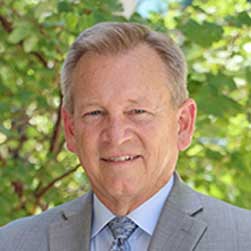
Director
Kevin Schnepp
EVSE Educational Resources and Links
EVSE Info Hour - Postponed
Due to staff availability, the meeting has been postponed. The new meeting date will be October 27, 2026, from 1:30PM to 2:30PM. Please submit your questions regarding commercial EVSE requirements via email to: cdfa.dms_evse_info@